


Living in a home with limited space doesn’t mean you have to sacrifice greenery. Vertical gardens are an ingenious way to bring nature indoors or enhance your outdoor space without taking up valuable floor area. Beyond aesthetics, these lush, wall-mounted gardens improve air quality, regulate humidity, and even provide fresh herbs or vegetables. Whether you want a stunning green backdrop or a functional edible garden, a vertical garden is a perfect solution.
Choosing the Right Location
Not all spaces are created equal when it comes to supporting a vertical garden. The key is selecting an area with adequate light, proper airflow, and enough structural support for the weight of the plants and materials.
- Indoor Options: Choose a wall near a window for natural light or supplement with grow lights if necessary. Bathrooms and kitchens benefit from moisture-loving plants, while living rooms and bedrooms thrive with air-purifying varieties.
- Outdoor Spaces: Balconies, patios, or garden fences make excellent spots. Ensure the wall gets the right amount of sunlight based on the plants you choose.
- Structural Considerations: Walls should be sturdy enough to support a vertical garden system. If using a freestanding frame, ensure it has stable anchoring to prevent tipping over.
Selecting a Vertical Garden System
There are several ways to construct a vertical garden, each offering different benefits depending on space, budget, and plant variety.
- Wall-Mounted Planters: Small pots or pockets affixed to a frame allow for easy plant rotation and customization.
- Pocket Fabric Systems: Felt or fabric pockets retain moisture and promote even plant growth.
- Trellises and Lattices: Ideal for climbing plants like ivy, jasmine, or peas, allowing them to grow naturally.
- Modular Panel Systems: Pre-built structures with built-in irrigation make maintenance easier.
- Pallet Gardens: A cost-effective and rustic approach using recycled wood pallets as plant holders.
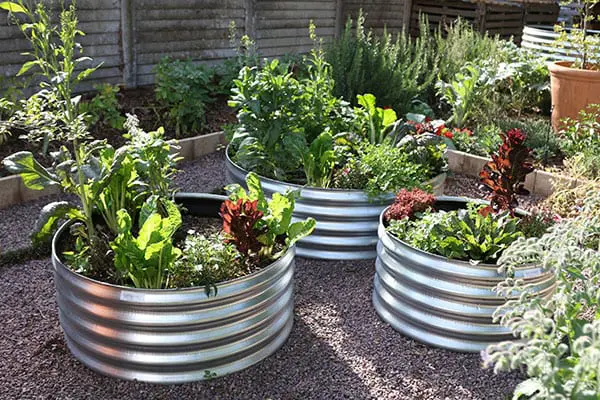
Choosing the Best Plants for Your Vertical Garden
The success of a vertical garden depends on selecting plants suited to its environment. Consider sunlight exposure, humidity levels, and watering needs.
- Low-Maintenance Greens: Ferns, pothos, philodendrons, and snake plants thrive indoors with minimal upkeep.
- Edible Choices: Herbs like basil, mint, and parsley or leafy greens like lettuce and kale make for a functional, homegrown supply.
- Flowering Varieties: Petunias, begonias, and nasturtiums add bursts of color and vibrancy.
- Succulents & Cacti: Perfect for dry environments, requiring minimal watering.
Building Your Vertical Garden Step-by-Step
-
Prepare the Wall or Frame
Ensure the wall is suitable for mounting or prepare a freestanding frame. If attaching directly to a wall, use waterproof backing to protect surfaces from moisture.
-
Install a Support System
Secure trellises, shelves, or panels based on your chosen vertical garden type. Use sturdy screws or wall anchors for a stable installation.
-
Set Up an Irrigation System
Vertical gardens require efficient watering. Options include:
- Drip Irrigation: Slow, controlled water delivery to each plant.
- Self-Watering Planters: Built-in reservoirs minimize the need for frequent watering.
- Manual Watering: Best for small-scale gardens but requires regular attention.
-
Choose Your Growing Medium
Depending on the plants and structure, use lightweight soil, coconut coir, or hydroponic growing mediums to support plant roots without excessive weight.
-
Arrange and Plant Strategically
Position plants according to their sunlight and water needs. Place trailing plants near the top for a cascading effect and shade-loving varieties lower where they receive indirect light.
-
Maintain and Monitor Growth
Regular maintenance ensures the longevity of your vertical garden.
- Prune and Trim: Prevent overgrowth and encourage new shoots.
- Check for Pests: Monitor leaves and soil for unwanted insects.
- Fertilize as Needed: Use organic fertilizers to keep plants healthy.
Enhancing Your Vertical Garden’s Aesthetic Appeal
A vertical garden isn’t just functional—it’s a statement piece. Consider:
- Decorative Planters: Use stylish pots or color-coordinated planters.
- Integrated Lighting: Soft LED or grow lights can highlight the garden’s beauty at night.
- Themed Gardens: Create a herb wall for the kitchen, a jungle-like living room backdrop, or a floral display for a vibrant outdoor accent.
Final Thoughts
A vertical garden is more than just a trendy decor feature—it’s a dynamic, space-saving way to incorporate nature into your home. With proper planning and maintenance, you can enjoy a thriving green wall that enhances both beauty and well-being. Whether growing fresh produce or curating a lush indoor sanctuary, the possibilities for vertical gardening are limitless.