

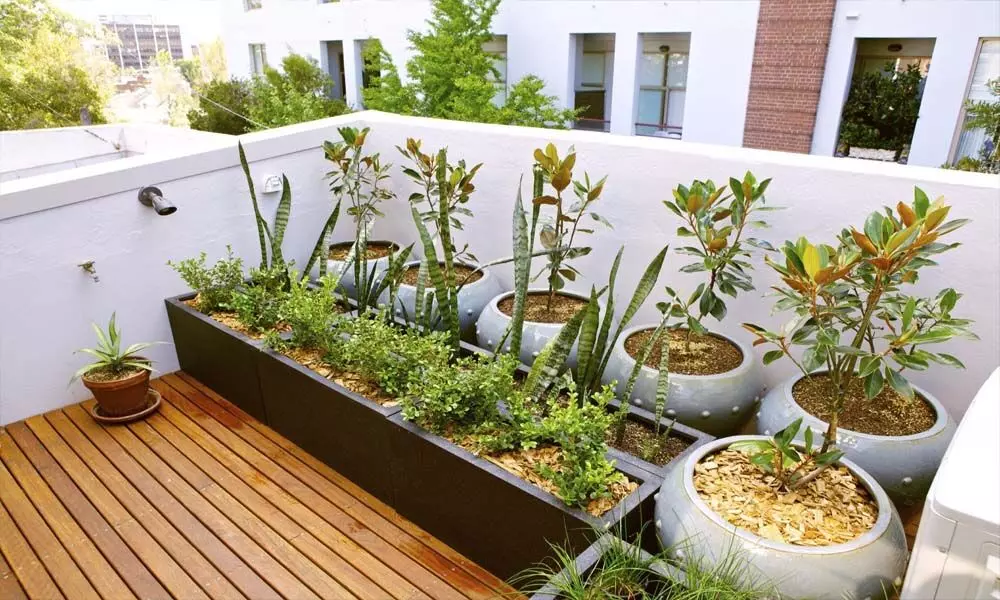
A lush, thriving garden doesn’t have to be limited to sprawling backyards or vast outdoor spaces. With the right approach, even the smallest apartment or home can host a flourishing indoor garden. Indoor gardening is not just about aesthetics—it’s about bringing life into your space, purifying the air, and cultivating a deeper connection to nature. Whether you’re growing herbs for your kitchen, vibrant flowers for decor, or even compact fruit and vegetable plants, creating a mini indoor garden is both rewarding and practical.
Choosing the Right Plants for an Indoor Garden
Not all plants thrive indoors, so selecting the right varieties is essential to success. The best plants for an indoor mini garden tend to be resilient, low-maintenance, and adaptable to limited space and light conditions.
- Herbs: Basil, mint, parsley, thyme, and chives are great for compact indoor gardens and provide fresh flavor for your cooking.
- Leafy Greens: Spinach, arugula, lettuce, and microgreens grow quickly and require minimal space.
- Compact Vegetables: Cherry tomatoes, peppers, radishes, and dwarf carrots can flourish in pots or containers.
- Air-Purifying Plants: Snake plants, pothos, peace lilies, and spider plants not only add greenery but also improve indoor air quality.
- Flowering Plants: African violets, orchids, and peace lilies add color and vibrancy to an indoor space.
Choosing plants based on available light, humidity levels, and personal preference will ensure a harmonious and sustainable indoor garden.
Maximizing Limited Space for a Mini Garden
Space constraints should never be a deterrent to indoor gardening. With a bit of creativity, even the smallest areas can transform into lush, green spaces.
- Vertical Gardening: Use wall-mounted planters, hanging baskets, or tiered shelving to maximize growing space without sacrificing floor area.
- Windowsill Gardens: A sunny windowsill is perfect for herbs and small plants that require plenty of natural light.
- Hydroponic Systems: If space is extremely tight, hydroponic setups allow for soil-free plant growth using nutrient-rich water solutions.
- Multipurpose Furniture: Consider plant stands that double as decorative furniture pieces or shelving units that integrate greenery seamlessly.
A well-planned mini garden can thrive even in the smallest of homes, provided space is utilized efficiently.
Providing the Right Light for Indoor Plants
Light is one of the most critical factors in indoor gardening. Since natural sunlight may not always be abundant, finding the right light source is key to healthy plant growth.
- South-Facing Windows: These offer the brightest and longest-lasting natural light, perfect for sun-loving plants like tomatoes and basil.
- LED Grow Lights: For rooms with limited natural light, full-spectrum LED grow lights mimic sunlight and provide plants with the necessary energy for photosynthesis.
- Indirect Light Areas: Plants such as pothos, snake plants, and ZZ plants thrive in lower-light conditions and can be placed in rooms without direct sunlight.
Adjusting light exposure based on plant needs will ensure a flourishing and vibrant indoor garden.
Soil and Watering Strategies for Indoor Plants
Healthy soil and proper watering techniques are essential to prevent overwatering, root rot, and nutrient deficiencies.
- Well-Draining Soil: Using a high-quality potting mix ensures that water doesn’t pool at the roots, leading to healthier plants.
- Proper Containers: Pots with drainage holes allow excess water to escape, preventing fungal growth and root decay.
- Watering Schedule: Overwatering is a common mistake. Most indoor plants prefer their soil to dry out slightly between waterings. Using a moisture meter or checking soil with your fingers helps gauge hydration levels.
- Self-Watering Planters: These are great for forgetful gardeners or those with busy schedules, ensuring plants receive consistent moisture without the risk of overwatering.
Finding the right balance between hydration and aeration keeps plants thriving with minimal effort.
Boosting Humidity for Indoor Gardens
Many plants, especially tropical varieties, thrive in humid environments. Since indoor air tends to be dry, especially during winter, increasing humidity can promote plant health.
- Misting: Lightly spraying plants with water increases moisture around the leaves.
- Humidity Trays: Placing a shallow tray filled with water and pebbles near plants naturally boosts humidity levels.
- Grouping Plants: Placing multiple plants close together creates a microclimate that retains moisture.
- Using a Humidifier: A small room humidifier can provide consistent humidity levels, especially in dry climates or heated homes.
Ensuring the right humidity levels keeps foliage lush and prevents drying or browning leaf tips.
Feeding Your Indoor Garden: Nutrients and Fertilization
Indoor plants require essential nutrients to thrive, and occasional feeding ensures continued growth and vitality.
- Organic Fertilizers: Compost tea, fish emulsion, or diluted seaweed extract provide natural, slow-release nutrients.
- Balanced Houseplant Fertilizer: A general-purpose liquid fertilizer with nitrogen, phosphorus, and potassium supports leaf and root development.
- Feeding Schedule: Most plants benefit from feeding every 4-6 weeks, though herbs and vegetables may need more frequent nutrients during their active growing seasons.
Providing the right nourishment keeps plants healthy and productive year-round.
Pest Prevention and Plant Care
Even indoor gardens are not immune to pests, but early detection and proper care can keep infestations at bay.
- Inspect Regularly: Check leaves for signs of pests like aphids, spider mites, and fungus gnats.
- Natural Pest Control: Neem oil, insecticidal soap, or introducing beneficial insects like ladybugs can control unwanted pests.
- Proper Air Circulation: Good airflow reduces fungal growth and deters insect infestations.
- Quarantine New Plants: Before adding new plants to your indoor garden, keep them separate for a few weeks to ensure they are pest-free.
Preventative care and routine maintenance keep indoor plants thriving without the need for harsh chemical treatments.
Reaping the Benefits of an Indoor Mini Garden
Cultivating an indoor garden is more than just a hobby—it’s a lifestyle that brings countless benefits. From having fresh herbs at your fingertips to improving indoor air quality and reducing stress, an indoor garden enhances both the home and well-being. By choosing the right plants, optimizing space, and following smart care techniques, anyone can transform their living space into a lush, green oasis.