

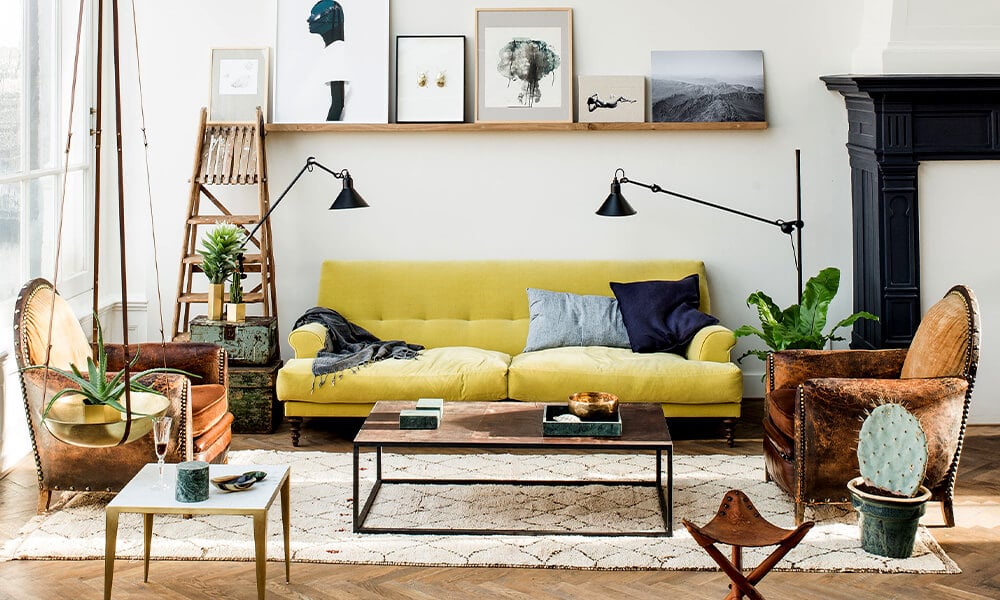
A well-designed home isn’t just about aesthetics—it’s about functionality, comfort, and adaptability. As we age, our needs change, and our living spaces should evolve accordingly. Creating an age-friendly home doesn’t mean sacrificing style; rather, it’s about making smart modifications that enhance accessibility, safety, and ease of use while maintaining the charm and warmth of a well-loved space. Future-proofing your home ensures that you can live independently for years to come, with minimal disruptions to your daily routine.
Entryways
The entrance to your home sets the tone for accessibility and convenience. A well-designed entryway should be both inviting and practical, ensuring ease of movement for everyone, regardless of mobility.
- Step-Free Entrances: Ramps or graded walkways eliminate trip hazards and accommodate mobility aids such as wheelchairs or walkers.
- Wider Doorways: Expanding doorways to at least 36 inches allows for easier navigation and enhances the overall flow of the home.
- Smart Door Features: Lever-style door handles, keyless entry systems, and well-lit thresholds improve both security and convenience.
- Non-Slip Surfaces: Textured pavers, slip-resistant tiles, and well-secured doormats minimize the risk of falls.
Open Floor Plans for Seamless Navigation
An open-concept design minimizes barriers, creating a home that is easy to move through and highly adaptable to changing needs.
- Fewer Hallway Obstructions: Reducing tight corridors and unnecessary partitions enhances maneuverability.
- Multi-Use Spaces: Designing rooms that can serve different functions over time—such as a study that can later become a bedroom—adds long-term flexibility.
- Ample Natural Light: Large windows and strategically placed lighting fixtures reduce eye strain and create a warm, inviting atmosphere.
Safe and Stylish Flooring Choices
Flooring plays a crucial role in preventing slips and falls while maintaining a polished, cohesive look.
- Non-Slip Materials: Textured tile, cork, and luxury vinyl plank offer traction without compromising aesthetics.
- Low-Threshold Transitions: Eliminating raised transitions between rooms reduces tripping hazards and improves wheelchair accessibility.
- Soft Underfoot Comfort: Area rugs with non-slip backings and padded flooring options add comfort without increasing risk.
Kitchen Adaptations for Accessibility
The kitchen is often the heart of the home, and making it user-friendly ensures it remains a functional, enjoyable space for years to come.
- Pull-Out Shelving: Sliding shelves and lazy Susans maximize storage accessibility and reduce strain.
- Countertop Heights: Installing varied counter heights accommodates different tasks, allowing for both standing and seated work areas.
- Hands-Free Faucets: Motion-sensor or touchless faucets provide ease of use and improve hygiene.
- Drawer-Style Appliances: Wall ovens, pull-out microwaves, and dishwasher drawers minimize bending and lifting.
Bathrooms
Bathrooms require special attention to balance safety with luxury. Thoughtful modifications can prevent accidents while maintaining an elegant aesthetic.
- Curbless Showers: Walk-in showers with non-slip tiles and built-in seating provide comfort and reduce fall risks.
- Grab Bars with Style: Modern grab bars now come in sleek finishes that blend seamlessly into the decor.
- Comfort-Height Toilets: Slightly elevated toilet designs reduce strain on joints and make sitting and standing easier.
- Good Lighting: Motion-activated night lights improve visibility without being harsh on the eyes during nighttime use.
Smart Home Technology for Effortless Living
Technology can significantly enhance convenience and safety, allowing homeowners to manage daily tasks with ease.
- Voice-Controlled Assistants: Smart speakers and home automation systems adjust lighting, temperature, and security features hands-free.
- Remote Monitoring: Security cameras, fall-detection sensors, and emergency alert systems provide peace of mind.
- Adjustable Thermostats: Smart climate control ensures optimal comfort without the need to constantly adjust settings.
- Motorized Blinds and Shades: Automated window treatments simplify light control and enhance privacy.
Multi-Generational Living Considerations
Designing a home with future generations in mind allows for a dynamic living arrangement that accommodates both aging family members and younger occupants.
- Private Living Quarters: An in-law suite or separate guest area provides independence while maintaining close proximity.
- Flexible Room Layouts: Convertible spaces that can transition between a home office, guest room, or caregiver suite add longevity to the home’s functionality.
- Dual-Access Bathrooms: Shared yet private bathroom designs enhance accessibility without compromising privacy.
Outdoor Spaces Designed for Comfort
A well-designed outdoor area should be as accessible and enjoyable as the interior, promoting relaxation and socialization.
- Smooth, Even Pathways: Avoiding gravel and uneven stone paths reduces tripping hazards and allows for wheelchair-friendly movement.
- Raised Garden Beds: Elevated planters make gardening more accessible and reduce the need for excessive bending.
- Shaded Seating Areas: Covered patios, pergolas, and retractable awnings provide protection from harsh sunlight.
- Secure Handrails and Seating: Strategically placed benches and railings enhance both comfort and stability.
Aging-in-place home design isn’t just about preparing for the future—it’s about creating a home that adapts to life’s changes while remaining stylish, comfortable, and functional. By implementing thoughtful design elements today, homeowners can ensure their space continues to serve them well for decades to come.