

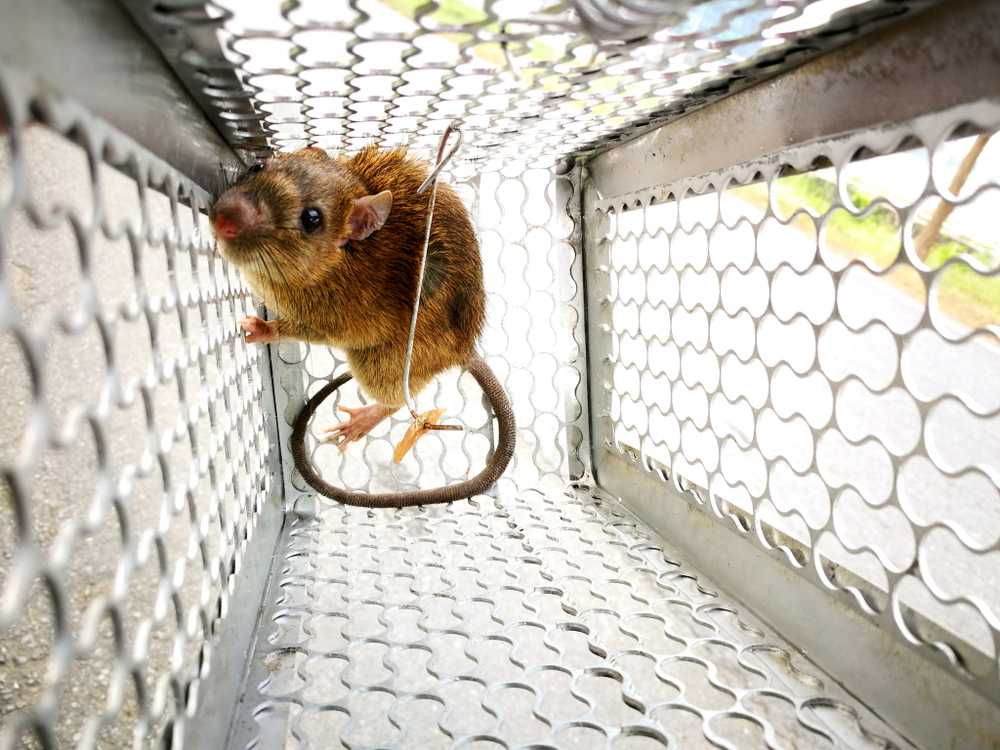
Rodents are more than just a nuisance. Mice and rats can cause structural damage, contaminate food, and carry diseases that threaten both humans and pets. Coastal and suburban homes are particularly susceptible, as rodents are drawn to warmth, water, and easy access to shelter. Taking proactive steps to prevent infestations is essential for maintaining a safe and comfortable home.
This guide explores the signs of rodent activity, prevention techniques, and why professional pest control can be a game-changer for homeowners.
Why Rodents Are a Problem
Rodents create multiple hazards in homes:
- Structural damage: Chewing on wood, insulation, wiring, and pipes can compromise safety and lead to costly repairs.
- Health risks: Rodents carry bacteria, viruses, and parasites that can cause diseases such as hantavirus, leptospirosis, and salmonella.
- Food contamination: Pantry items, pet food, and stored grains are prime targets.
- Rapid reproduction: A single pair of mice can produce dozens of offspring in a matter of months, escalating infestations quickly.
Understanding these risks highlights the importance of early detection and prevention.
Signs of Rodent Infestation
Early detection is key to managing rodent problems before they escalate. Look for:
- Droppings: Small, dark pellets near food sources, corners, and storage areas.
- Gnaw marks: Chewed wires, wood, cardboard, and plastic containers.
- Nesting materials: Shredded paper, fabric, or insulation in hidden areas.
- Sounds: Scratching, scurrying, or squeaking noises in walls, ceilings, or attics.
- Unusual smells: Musty, ammonia-like odors from urine and nesting areas.
Spotting these signs early can prevent severe infestations and limit property damage.
Preventing Rodent Infestations
Rodent prevention requires a combination of sanitation, exclusion, and monitoring.
1. Seal Entry Points
- Inspect doors, windows, vents, and foundation cracks for gaps larger than ¼ inch.
- Use steel wool, caulk, or metal flashing to block potential entryways.
- Ensure that door sweeps and weather stripping are intact.
2. Maintain Cleanliness
- Store food in airtight containers.
- Dispose of garbage regularly and use rodent-proof bins.
- Avoid leaving pet food out overnight.
3. Reduce Outdoor Attractants
- Keep yards free of debris, piles of wood, and dense vegetation near foundations.
- Trim trees and shrubs to prevent rodents from accessing the roof or attic.
- Maintain proper drainage to avoid standing water that attracts pests.
4. Monitor Regularly
- Check attics, basements, garages, and crawl spaces for signs of activity.
- Set up non-toxic monitoring traps to detect rodent presence early.
5. Use Traps and Baits Wisely
- Snap traps, electronic traps, and bait stations can be effective when placed strategically.
- Follow manufacturer instructions carefully and avoid placing traps where children or pets may access them.
Why Professional Rodent Control Helps
While DIY methods can work for minor issues, professional pest control provides expertise, safety, and long-term results:
- Comprehensive inspections: Experts identify entry points and nesting areas that homeowners may miss.
- Customized treatment plans: Professional strategies address the specific species and level of infestation.
- Safe baiting and trapping: Technicians use targeted methods to minimize risk to humans and pets.
- Ongoing monitoring: Regular follow-ups prevent recurrence and maintain a rodent-free environment.
Coastal homes, in particular, face year-round rodent activity due to milder winters and abundant vegetation, making professional intervention highly effective.
Rodent-Proofing Your Home for the Long Term
To keep rodents away permanently, consider these long-term measures:
- Regular inspections: Annual or semi-annual inspections help detect early signs before problems escalate.
- Structural repairs: Replace rotted wood, fix gaps, and repair foundation cracks promptly.
- Yard management: Keep trees, shrubs, and wood piles away from home structures.
- Moisture control: Fix leaks and install proper drainage to avoid attracting rodents.
- Professional partnerships: Establish a relationship with a trusted pest control company for routine service.
Health and Safety Considerations
Rodent infestations pose health risks that extend beyond simple property damage:
- Disease transmission: Direct contact with droppings, urine, or nesting material can spread illness.
- Contaminated food: Rodent contamination can lead to foodborne diseases.
- Allergic reactions: Rodent dander and droppings can trigger allergies or asthma in sensitive individuals.
By combining prevention, monitoring, and professional support, homeowners can protect both property and health.
Why Choose a Professional Pest Partner
Homeowners often underestimate how quickly rodents can multiply and damage structures. Coastal and suburban homes face additional challenges like dense landscaping, moisture-prone foundations, and nearby water sources. Partnering with a skilled pest control service ensures:
- Expert inspections that detect hidden signs of rodent activity
- Tailored treatment strategies for long-term protection
- Safe, effective methods that minimize risks to people and pets
- Peace of mind knowing your home is secure from future infestations
For homeowners seeking reliable rodent control and preventive solutions, professional support is invaluable.
Take Action Today
Don’t wait until droppings or gnaw marks indicate a full-blown infestation. Early intervention saves money, reduces property damage, and protects your family’s health.
For comprehensive rodent management services, preventive inspections, and tailored treatment plans, consider contacting Main Sail Pest. Their experts provide professional solutions that safeguard homes from rodents year-round, ensuring a safe and comfortable living environment.