

When your HVAC system stops working, it is easy to assume the problem is mechanical. Maybe the system will not start. Maybe it is blowing warm air.
But here is a question many homeowners never think to ask. What if the real problem is electrical? In Seattle homes, where HVAC systems often share space with complex electrical panels, electrical testing is one of the most important steps during any HVAC repair.
Many HVAC Problems Start With Electricity
HVAC systems rely on electricity to power motors, sensors, and control boards. If the voltage is unstable or the wiring is damaged, parts may appear broken even when they are not.
Without electrical testing, a technician could replace a compressor or motor that is actually fine. Electrical testing helps pinpoint whether the issue is inside the part or coming from outside it. This saves time, money, and unnecessary replacements.
Preventing Bigger And More Expensive Failures
Small electrical issues rarely stay small. A weak capacitor or loose connection can slowly damage major components. Over time, this stress can cause motors to overheat or compressors to fail completely.
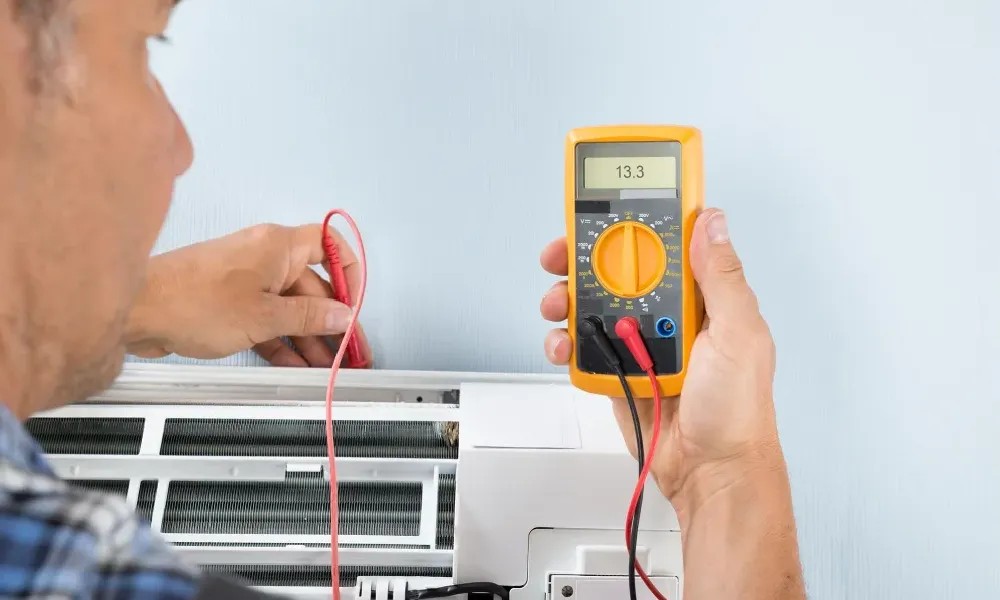
Electrical testing allows technicians to spot these warning signs early. Measuring voltage, current, and resistance helps ensure each component is working within safe limits before damage spreads.
Safety Always Comes First
Electrical safety is not just about protecting equipment. It is about protecting people and property. Faulty wiring and loose connections can generate heat, increasing fire risk. Improper grounding can also create shock hazards.
Electrical testing confirms that your HVAC system is properly grounded and operating safely. This is especially important in older Seattle homes where electrical systems may have been upgraded in stages.
Protecting New Parts And Your Warranty
Installing new HVAC parts without electrical testing is risky. If the electrical issue that caused the failure is not fixed, the new part can fail immediately. Testing ensures control voltage is correct, breakers are properly sized, and components are receiving stable power. Many manufacturers also require proof of proper electrical checks to keep warranties valid.
Final Thoughts
Electrical testing is not an extra step. It is a critical part of doing HVAC repairs the right way. If you want accurate repairs, safer operation, and longer system life, electrical testing matters.
For trusted HVAC and electrical service in Seattle and nearby communities, Seatown Electric Plumbing Heating and Air is here to help keep your home comfortable and protected. Our licensed technicians perform detailed electrical testing with every HVAC repair to ensure long-term reliability and safety.