

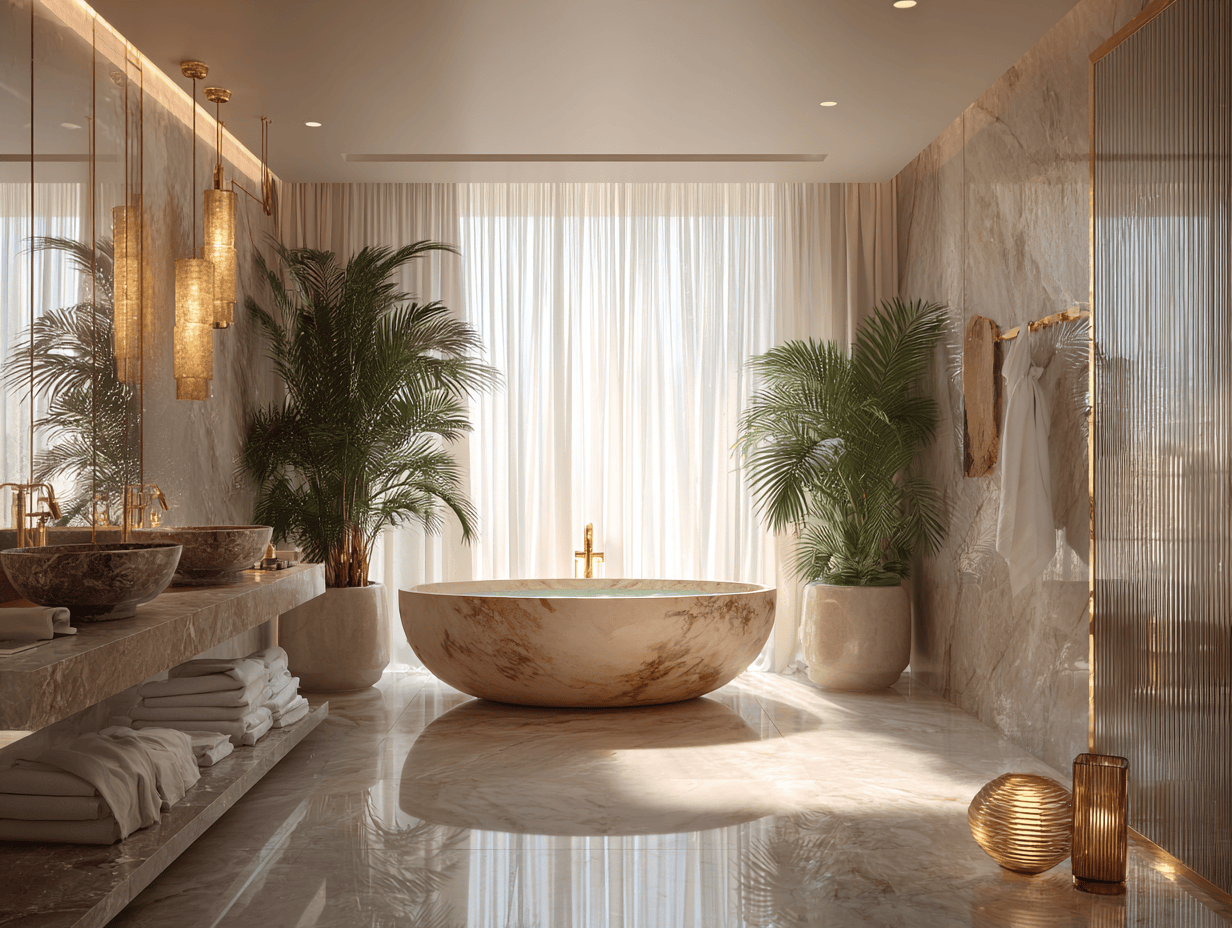
A freestanding tub commands attention the moment you enter a bathroom, setting the stage for a retreat that feels worlds away from the everyday. Over the past decade, these sculptural fixtures have transformed from antique oddities into icons of contemporary design, embodying the renewed desire for relaxation and personalized luxury within our homes.
The Rise of Freestanding Tubs: From Classic Luxury to Modern Statement
Long before freestanding tubs became the centerpiece of Instagram-worthy remodels, they graced the grand bathing chambers of Victorian estates. Crafted from heavy cast iron and perched on claw feet, these bathtubs symbolized indulgence and privacy in a time when indoor plumbing was itself a novelty. Yet, as built-in tubs took over in the mid-20th century, freestanding models faded from mainstream favor for decades.
That all changed with the new millennium. Designers and homeowners, eager for open, spa-like layouts, rediscovered the power of the freestanding tub. No longer relegated to palatial homes, they began appearing in urban condos, suburban renovations, and boutique hotels alike. The appeal? Freestanding tubs reflect a lifestyle shift, one where the bathroom is not just a functional space, but a personal sanctuary.
Planning a Modern Bathroom Remodel with a Freestanding Tub
Bringing the dream of a freestanding tub to life starts with honest evaluation of space. Unlike alcove bathtubs, freestanding models need room to breathe. Consider the length and width of the tub itself, plus at least six inches of clearance on all sides for cleaning and visual balance. For smaller bathrooms, compact 53 or 60-inch models can provide the look without overwhelming the room.
Shape and size play a significant role in both comfort and style. Oval tubs offer a soft, organic feel, while rectangular and angular forms suit modern, minimalist interiors. It is vital to coordinate the new tub with surrounding elements, think vanities, storage, and lighting, to ensure a cohesive, well-planned space.
Material Innovations and Design Variations
Choices abound when it comes to material. Acrylic tubs are lightweight and budget-friendly, making them a popular pick for most remodels. Cast iron, though undeniably heavy, retains heat better and exudes timeless luxury. Stone resin blends durability with a unique matte finish, bridging classic and contemporary looks.
While glossy white remains the perennial favorite, the rise of black, grey, and even bold colored finishes is giving homeowners new ways to express style. Technology, too, has entered the mix: many modern freestanding tubs offer built-in jets, gentle heating, and even smart controls for a customized soak.
Installation: Challenges and Best Practices
Installing a freestanding tub is not plug-and-play. Plumbing and drainage must be precisely located, especially with tubs that sit far from existing drains. Weight can be a concern, particularly with cast iron or stone models, sometimes requiring floor reinforcement. Professional installation ensures proper leveling, secure plumbing, and damage prevention. For the skilled DIYer, acrylic tubs pose fewer challenges, but expert guidance is always advisable.
Complementary Elements to Enhance Elegance
A statement tub deserves supporting characters. Floor-mounted or wall-mounted faucets in finishes like matte black or brushed gold can echo the tub’s style, while streamlined vanities and clever storage keep clutter at bay. Strategic lighting, whether a pendant above the bath or soft sconces, elevates the entire mood. For flooring, porcelain tiles or tactile natural stone ground the room with texture and durability.
The Evolution of Bathroom Functionality and Comfort
Bathrooms have quietly shifted from utilitarian spaces to wellness hubs. The freestanding tub sits at the heart of this movement, often surrounded by features that invite lingering and self-care. Heated floors, rainfall showers, and integrated sound systems create a spa experience; minimalism keeps the focus on tranquility, while maximalism allows for bold patterns and layered textures.
Maintenance and Longevity of Freestanding Tubs
Regular care is the secret to enduring elegance. Acrylic tubs clean up with mild soap and water, resisting scratches and stains. Cast iron and stone require gentler cleansers and occasional polishing to preserve their luster. It pays to avoid harsh abrasives and to address any chips or cracks early on, ensuring the tub remains a showstopper for years.
Future Trends: What’s Next in Bathroom Remodels with Freestanding Tubs?
Eco-friendly materials are on the rise, with bamboo composites and recycled resins promising lower environmental impact. Smart bathrooms, featuring voice-activated fixtures and automated temperature control, are inching closer to mainstream adoption. As for design forecasts, expect more color, more texture, and continued emphasis on personal retreats.
For those seeking inspiration or ready to source their own centerpiece, browsing collections like bains Evos Boutiques offers a glimpse of what’s possible. These curated selections reflect the latest in both style and craftsmanship, making it easier than ever to craft a bathroom that feels uniquely yours.
In the end, a freestanding tub is more than a fixture. It is a commitment to everyday luxury, a statement of taste, and a reminder that even the most functional rooms can become spaces of beauty and rest.