

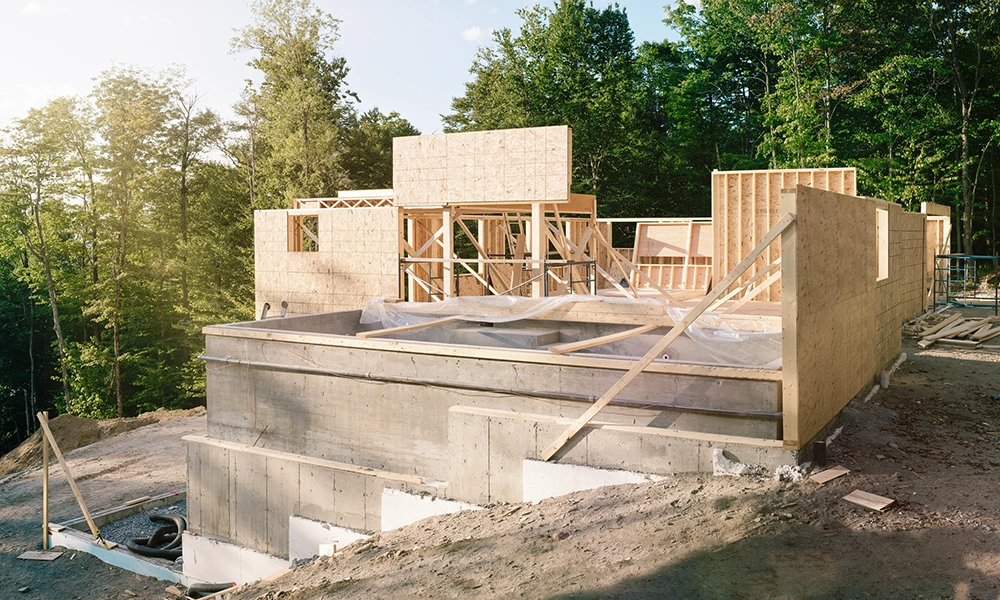
The construction industry is undergoing a transformative shift, moving away from resource-intensive materials toward sustainable, bio-based alternatives. Traditional building materials—concrete, steel, and synthetic insulation—carry a significant environmental burden, contributing to high carbon emissions and resource depletion. In contrast, bio-based materials offer a regenerative, low-impact solution that aligns with the growing demand for eco-conscious construction. Architects and builders worldwide are embracing these materials, not just for their sustainability but for their versatility, aesthetics, and performance-enhancing properties.
What Are Bio-Based Construction Materials?
Bio-based materials are derived from renewable organic sources such as plants, fungi, and agricultural byproducts. Unlike conventional materials that rely on finite resources and energy-intensive manufacturing, bio-based options are biodegradable, carbon-sequestering, and often locally sourced. Some of the most innovative bio-based materials making waves in architecture include:
- Hempcrete: A mixture of hemp fibers, lime, and water, offering superior insulation and breathability.
- Mycelium-Based Composites: Derived from fungal root structures, these materials are lightweight, strong, and biodegradable.
- Bamboo: A fast-growing, high-strength alternative to traditional timber with excellent load-bearing capabilities.
- Cork: Naturally insulating, flexible, and harvested without harming trees.
- Straw Bale: A centuries-old material with modern applications in high-performance insulation.
- Wood Fiber Panels: Sustainable alternatives to synthetic insulation, improving indoor air quality while reducing energy consumption.
These materials not only provide an eco-friendly alternative to conventional construction but also contribute to healthier, more energy-efficient living spaces.
Energy Efficiency and Thermal Performance
One of the most compelling advantages of bio-based materials is their ability to regulate indoor climates effectively. Many of these materials possess natural insulating properties, reducing the need for artificial heating and cooling. For example:
- Hempcrete and straw bales excel at maintaining stable indoor temperatures, reducing energy consumption.
- Cork and mycelium-based panels offer excellent acoustic insulation, making homes quieter and more comfortable.
- Bamboo and engineered wood products help in moisture control, reducing mold growth and humidity-related issues.
By integrating bio-based materials into architecture, buildings can achieve superior thermal performance, leading to lower energy bills and a reduced carbon footprint.
Carbon Sequestration and Environmental Benefits
Unlike traditional materials that release carbon during production, many bio-based materials actively capture and store carbon throughout their lifespan. This process, known as carbon sequestration, helps mitigate the environmental impact of construction.
- Hemp and bamboo absorb significant amounts of CO2 during growth, making them carbon-negative materials.
- Mycelium and agricultural waste-based materials prevent organic matter from decomposing and releasing methane into the atmosphere.
- Timber from sustainably managed forests locks in carbon while promoting responsible forestry practices.
By incorporating bio-based materials into architecture, the built environment can transition from being a major contributor to climate change to a potential solution for carbon reduction.
Durability and Longevity
One common misconception about bio-based materials is that they are less durable than conventional options. However, technological advancements and improved processing methods have enhanced their resilience and longevity.
- Cross-laminated timber (CLT) rivals steel in strength while offering superior flexibility in earthquake-prone areas.
- Bio-based resins and composites reinforce structural integrity without the toxic emissions associated with synthetic materials.
- Compressed bamboo panels have a higher tensile strength than many types of concrete, making them ideal for load-bearing applications.
With proper treatment and maintenance, bio-based structures can last for decades, if not centuries, while remaining environmentally friendly and adaptable to future needs.

Aesthetic and Design Possibilities
Beyond their functional benefits, bio-based materials offer unique textures, colors, and finishes that enhance architectural aesthetics. Designers are embracing these materials not only for their sustainability but also for their ability to create visually stunning and tactilely rich environments.
- Cork panels provide a natural, warm appearance while softening acoustics.
- Mycelium-based tiles introduce organic, sculptural forms into interior spaces.
- Rammed earth and straw-clay plaster create earthy, rustic finishes with a timeless appeal.
- Bamboo’s sleek, uniform texture lends itself to modern and minimalist designs.
The flexibility of bio-based materials allows architects to push creative boundaries while prioritizing sustainability.
Challenges and the Future of Bio-Based Architecture
While the adoption of bio-based materials is accelerating, challenges remain in widespread implementation. Regulatory hurdles, higher upfront costs, and resistance to change within the construction industry can slow progress. However, as technology advances and awareness grows, these obstacles are gradually diminishing.
- Increased investment in research and development is making bio-based materials more affordable and scalable.
- Government incentives and building codes are encouraging greener construction practices.
- Growing consumer demand for sustainable housing is driving market acceptance and innovation.
The future of architecture is undoubtedly bio-based. As society moves toward a more sustainable and circular economy, these materials will play a crucial role in shaping the next generation of buildings—ones that work in harmony with nature rather than against it.