

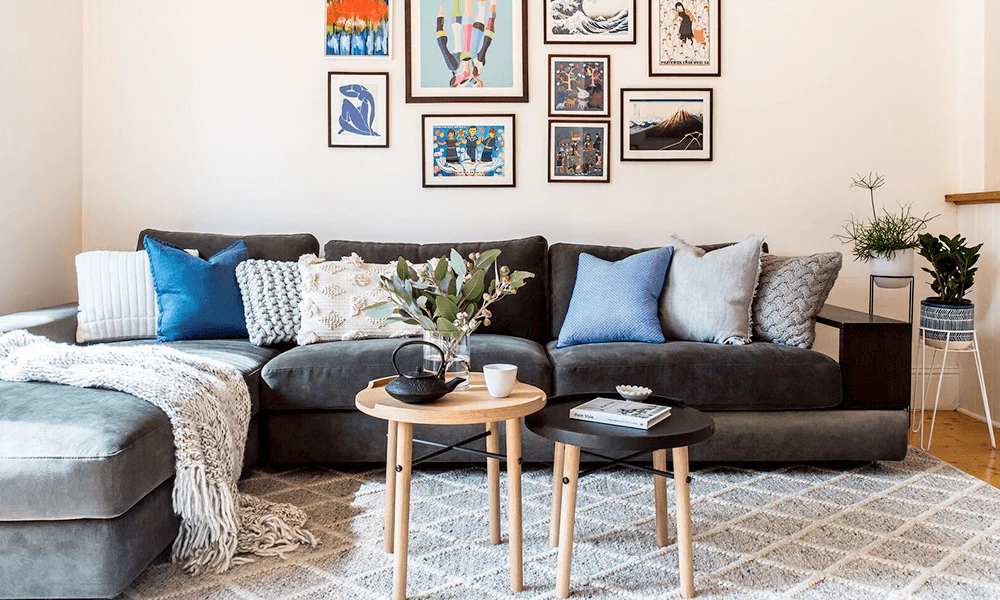
The spaces we inhabit have a profound influence on our thoughts, emotions, and overall mental well-being. Our environments shape our daily experiences, influencing stress levels, motivation, and even creativity. A cluttered, dimly lit room can weigh heavily on the mind, while a bright, organized space can spark inspiration and a sense of calm. Making intentional changes to your living environment isn’t just about aesthetics—it’s about creating a space that nurtures and supports a positive mindset.
Decluttering
Clutter isn’t just a physical obstacle; it’s a mental burden. Piles of disorganized belongings create a subconscious sense of chaos, making it harder to focus and relax. Studies have shown that a cluttered environment increases stress hormone levels, leading to feelings of overwhelm and anxiety. By decluttering, you create a space where your mind can breathe.
- Start with one area at a time to avoid feeling overwhelmed.
- Keep only items that serve a purpose or bring joy.
- Utilize smart storage solutions to maintain order effortlessly.
As you clear physical space, you make room for mental clarity, enhancing your ability to think, create, and unwind.
Lighting and Mood
Lighting has an undeniable impact on mood and productivity. Natural light boosts serotonin levels, enhancing happiness and energy. Conversely, dim or harsh artificial lighting can lead to sluggishness and irritability.
- Maximize natural light by keeping windows unobstructed and using light-colored curtains.
- Incorporate warm-toned lighting in relaxation areas to create a cozy ambiance.
- Use task lighting in workspaces to enhance focus and reduce eye strain.
By adjusting the lighting in your home, you can cultivate an environment that aligns with your emotional and psychological needs.
Color Psychology
Color is more than decoration—it directly impacts emotions and mental states. Different hues trigger different psychological responses:
- Blues and Greens: Promote calmness and relaxation, making them ideal for bedrooms and living spaces.
- Yellows and Oranges: Evoke warmth and energy, perfect for kitchens and creative areas.
- Neutrals: Provide a sense of balance and sophistication, allowing for versatility in design.
Choosing the right color scheme can subtly shift your daily mood and overall mental outlook.

Furniture Arrangement
How furniture is positioned in a room affects both the physical and psychological flow of a space. Poorly arranged furniture can create blockages—both in movement and in thought processes. A well-planned layout encourages ease, productivity, and relaxation.
- Keep pathways clear to allow a sense of openness and movement.
- Arrange seating areas to encourage social interaction and comfort.
- Choose ergonomic furniture to support posture and reduce physical strain.
By optimizing your furniture layout, you create a home that feels both functional and emotionally supportive.
Bringing Nature Indoors
Incorporating natural elements into your home can have a profound impact on mental well-being. The concept of biophilic design—a design approach that connects people with nature—has been shown to reduce stress, enhance cognitive function, and promote overall happiness.
- Houseplants improve air quality and create a sense of tranquility.
- Natural materials like wood and stone bring warmth and texture to a space.
- Water features, such as small fountains, add a soothing auditory element.
By integrating nature into your surroundings, you create a home that fosters peace and psychological restoration.
Personalization
A home should be a reflection of its inhabitant—a space that tells a story, evokes positive memories, and cultivates comfort. Personalizing your space adds an emotional connection, making it feel like a true sanctuary.
- Display meaningful artwork or photographs that bring joy.
- Incorporate scents, like lavender or vanilla, to evoke calmness and nostalgia.
- Choose textures and fabrics that provide comfort and warmth.
By infusing your personality into your home, you create a space that not only looks good but also feels deeply comforting and inspiring.
Final Thoughts
Changing your home isn’t just about updating its appearance—it’s about transforming the way you feel, think, and function in your daily life. Small, intentional changes can lead to a significant shift in mindset, promoting positivity, relaxation, and mental clarity. By creating a home that supports your well-being, you invest in both your space and your state of mind.