

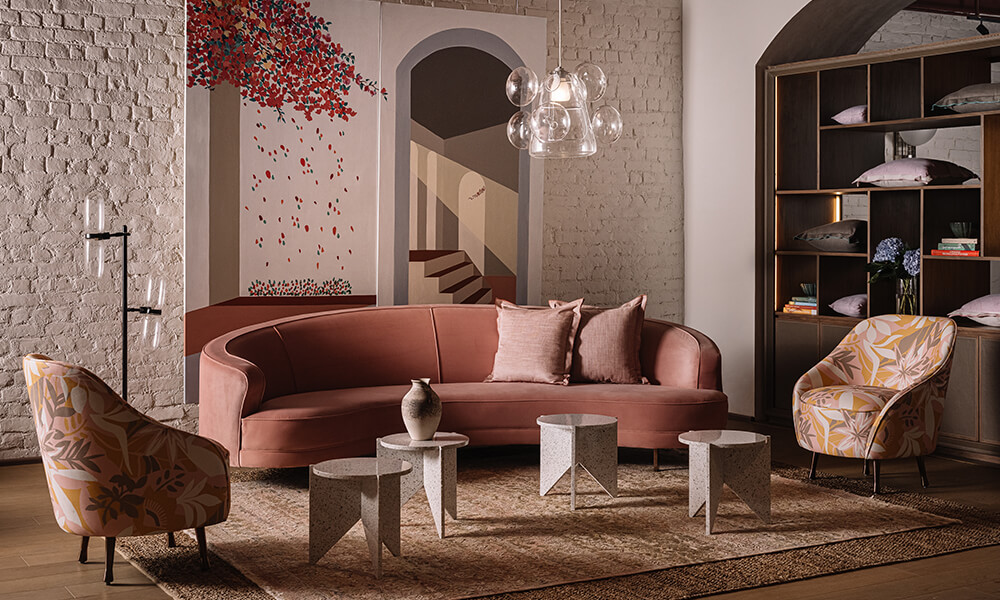
Wabi-sabi is more than a design philosophy—it’s a way of life. Rooted in Japanese aesthetics, it embraces the beauty of imperfection, impermanence, and authenticity. Unlike modern design trends that strive for flawlessness, wabi-sabi finds elegance in the worn, the weathered, and the incomplete. A home infused with wabi-sabi aesthetics radiates warmth, simplicity, and an organic connection to nature, creating a space that feels effortlessly serene and deeply personal.
Decluttering with Purpose
At the core of wabi-sabi design is a sense of spaciousness and tranquility. Clutter disrupts harmony, so intentional minimalism is key. However, wabi-sabi is not about stark emptiness—it’s about curating meaningful possessions that bring comfort and tell a story.
- Choose Essentials Wisely: Keep only what is functional, beautiful, or sentimental.
- Let Go of Perfection: Items with visible wear—like a weathered wooden table or a hand-thrown ceramic bowl—add character and soul.
- Balance Open Space: Negative space is just as important as the objects themselves, creating a sense of quiet and ease.
By decluttering with intention, each object in your home carries significance, making the space feel curated but never contrived.
Natural Materials
Wabi-sabi interiors are deeply connected to nature. The use of organic materials enhances the tactile experience of a space, making it feel alive and grounded.
- Wood: Reclaimed or untreated wood, with its visible knots and grain, adds warmth and authenticity.
- Stone: Unpolished stone surfaces, from countertops to decorative objects, evoke a sense of timelessness.
- Clay and Ceramic: Handcrafted pottery and earthenware in muted tones introduce artisanal charm.
- Linen and Cotton: Soft, breathable textiles contribute to a relaxed, unrefined aesthetic.
These elements, when combined, create a living space that feels organic, timeless, and deeply connected to the earth.

A Muted, Earthy Color Palette
Wabi-sabi design steers clear of bold, artificial colors. Instead, it draws from the hues of nature—subdued, warm, and effortlessly calming.
- Soft Neutrals: Shades of beige, taupe, and off-white form a soothing foundation.
- Earthy Browns & Ochres: Rich, warm tones add depth without overwhelming the senses.
- Subtle Greens & Grays: Inspired by moss, stone, and weathered wood, these hues contribute to a tranquil atmosphere.
- Muted Blues: A faded indigo or soft denim blue can bring in a gentle contrast without disrupting harmony.
A wabi-sabi color palette reflects the natural aging process—colors that fade gracefully over time, just like the patina on aged wood or sun-washed textiles.
Asymmetry & Imperfection
Unlike Western design principles that emphasize symmetry and precision, wabi-sabi finds beauty in irregularity. This philosophy can be reflected in both architectural details and decorative accents.
- Uneven Textures: Rough plaster walls, handmade tiles, or unfinished wood surfaces create depth and interest.
- Asymmetrical Arrangements: A slightly off-center vase or an unbalanced gallery wall feels more natural and spontaneous.
- Handmade Objects: Imperfectly shaped ceramics, uneven weaves in a rug, or a misaligned seam in a linen curtain all embody wabi-sabi’s philosophy of embracing the organic and the unrefined.
These details bring a human touch to the space, making it feel lived-in rather than staged.
Soft, Diffused Lighting for Tranquility
Lighting in a wabi-sabi home should be soft, warm, and indirect. Harsh overhead lighting disrupts the natural flow of the space, while subtle lighting enhances its gentle, calming aura.
- Paper Lanterns: Traditional Japanese washi paper diffuses light beautifully, casting a warm, ambient glow.
- Candlelight & Oil Lamps: The flickering glow of a flame creates an intimate, timeless atmosphere.
- Natural Light: Maximize daylight with sheer curtains or simple window treatments that allow for a gentle play of light and shadow.
- Table & Floor Lamps: Soft-lit, low-positioned lamps create a sense of intimacy and relaxation.
By using lighting to shape the mood, a wabi-sabi home becomes a sanctuary of stillness and reflection.
Thoughtfully Curated Decor
Decor in a wabi-sabi home is never excessive. Instead, it is intentional, meaningful, and often handcrafted.
- Aged & Weathered Pieces: Antique furniture, vintage finds, and hand-me-downs carry a sense of history and soul.
- Handmade Pottery & Art: Objects that reveal the artist’s touch—whether a rough-textured bowl or a brushstroke painting—add authenticity.
- Dried Flowers & Branches: Instead of fresh-cut flowers, opt for dried botanicals that celebrate the beauty of impermanence.
- Personal Artifacts: A well-worn book, a frayed textile, or a cherished sculpture can serve as quiet focal points.
This approach to decor prioritizes objects with personal significance, fostering a home that feels deeply authentic and inviting.
Creating Spaces for Stillness & Reflection
Wabi-sabi is not just about aesthetics; it’s about cultivating a lifestyle of mindfulness, appreciation, and slowing down. Design your home with spaces that encourage quiet moments.
- A Cozy Nook: A simple corner with a floor cushion, a soft throw, and a cup of tea can become a retreat for contemplation.
- A Tatami or Meditation Space: A minimalist area with a low table or tatami mats offers a space for mindful relaxation.
- An Outdoor Connection: If possible, integrate a small garden, balcony, or even a potted plant display to create a seamless connection between indoors and nature.
- A Simplicity-Focused Bedroom: Keep the bedroom uncluttered with breathable linens, soft lighting, and a muted color scheme to promote restfulness.
By incorporating areas that encourage stillness, a wabi-sabi home becomes a place of retreat from the noise of the outside world.
Designing a home with wabi-sabi aesthetics is about embracing life as it is—imperfect, transient, and deeply beautiful. It is a reminder to find joy in simplicity, warmth in aged materials, and peace in asymmetry. By curating spaces that feel organic, meaningful, and effortlessly calming, your home becomes more than just a dwelling—it becomes a sanctuary of quiet elegance and profound tranquility.