

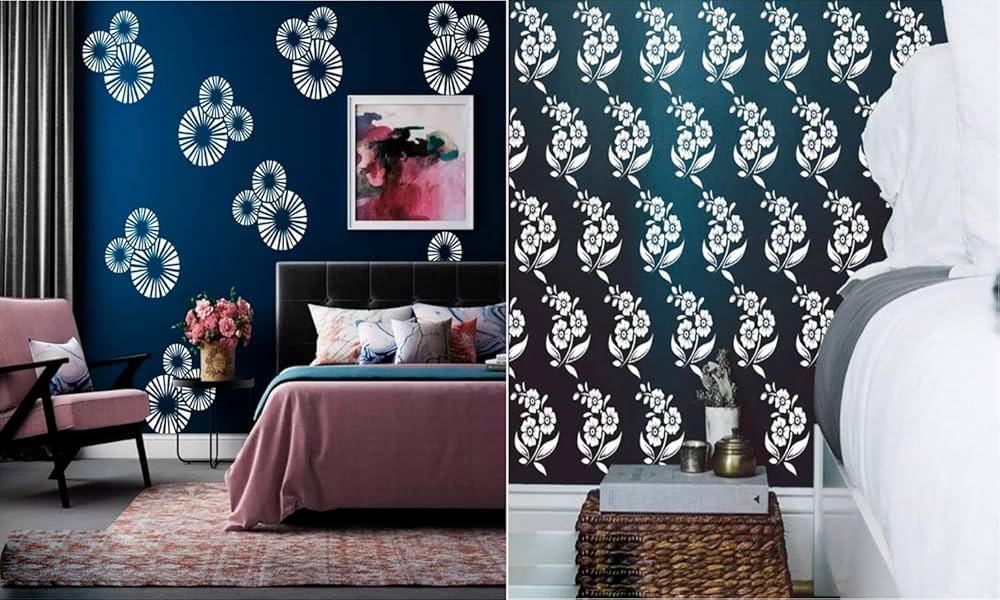
Fabric leftovers are more than mere scraps—they’re little fragments of possibility waiting to be transformed. Every piece carries its own texture, color, and story. Instead of discarding those seemingly insignificant remnants, envision them as the raw material for unique, sustainable decor that adds personality and vibrancy to your home. When you repurpose fabric scraps, you’re not only reducing waste, but you’re also crafting art that celebrates creativity and resourcefulness. The charm of upcycling lies in its ability to merge environmental mindfulness with aesthetic innovation, turning what was once overlooked into a focal point of design.
Selecting and Preparing Your Fabric Scraps
Before any creative project can begin, it’s essential to gather and prepare your materials. Scour your closet, attic, or local thrift stores for remnants of textiles. Look for pieces with interesting patterns, vibrant colors, or a delightful mix of textures. The key is to embrace diversity. Some fabrics might be delicate, while others are robust enough for upholstery; together, they can create a tapestry of contrasts that elevates your design.
Once you’ve curated your collection, prepare the fabric by ensuring it’s clean and pressed. Washing removes dust and any remnants of past use, and ironing helps to smooth out wrinkles, making the fabric easier to work with. Cutting the fabric into manageable pieces—whether they’re squares, strips, or custom shapes—sets the stage for your creative process. Prepping your scraps with a bit of care and attention not only streamlines your workflow but also honors the material’s inherent beauty.
Designing Stunning Wall Art from Fabric Scraps
Wall art crafted from fabric remnants is a celebration of texture and color. Begin by envisioning a design that resonates with your personal style. Some might lean towards a patchwork aesthetic reminiscent of vintage quilts, while others may prefer an abstract composition where each piece stands as a bold statement on its own.
Consider creating a fabric collage by arranging your pieces on a large canvas or backing board. Experiment with different layouts—overlap edges, play with symmetry and asymmetry, and even incorporate layers. Sometimes, a seemingly random arrangement can lead to surprising, harmonious results. If you’re inclined towards more structured designs, try mapping out a geometric pattern where each fabric piece fits like a puzzle piece. Tools like a fabric glue gun, adhesive spray, or even sewing can help secure the pieces in place, ensuring longevity without sacrificing the organic feel of the project.
For added depth, mix in elements like embroidery, appliqué, or hand-painted details. These personal touches can transform a simple patchwork into a dynamic work of art. Experiment with contrasting textures—pair silky fabrics with rougher cottons or denim—to add a tactile dimension that invites viewers to come closer and explore the intricacies of your creation.

Crafting Unique Upholstery with Fabric Leftovers
When it comes to upholstery, fabric leftovers can be just as striking as they are sustainable. Upholstery isn’t confined to large, pristine bolts of fabric; it can also be an eclectic mix of textures and hues that breathe new life into old furniture. Start with a piece that needs reviving—a tired armchair, an outdated ottoman, or even a dated bench. The goal is to transform these pieces into bespoke works of art that not only provide comfort but also serve as conversation starters.
Begin by removing any old fabric carefully. Clean the surface thoroughly and inspect the cushioning for wear and tear. Once the old fabric is out of the way, assess the size and shape of your piece to determine how to best utilize your fabric scraps. If you have a variety of patterns and colors, consider creating a patchwork design that infuses vibrancy and character. Alternatively, choose one or two scraps that complement each other and let them dominate the piece for a more subdued, yet striking look.
Sewing the fabric pieces together requires patience and precision. Use a strong, durable stitch to ensure the upholstery can withstand regular use. Adding padding or batting between the fabric and the furniture not only enhances comfort but also gives the piece a luxurious, layered look. Don’t be afraid to mix techniques—combine sewing with fabric glue for intricate sections where a hand-sewn finish might be too time-consuming. The result is a unique piece of furniture that marries sustainability with custom design, making it a true reflection of your artistic vision.
Experimenting with Mixed Media
While fabric scraps are the star of the show, consider incorporating other recycled or upcycled materials into your projects to add even more dimension. Combine fabrics with reclaimed wood, metal accents, or vintage paper for a truly eclectic piece. For wall art, a backdrop of reclaimed wood can provide a rustic contrast to the softness of fabric. In upholstery, mix in leather patches or woven baskets to create an unexpected texture play that captivates the eye.
Such mixed media projects are a delightful exploration of contrasts. They allow you to break away from a monochromatic approach and instead celebrate the interplay of different elements. The fusion of soft textiles with harder materials creates a dynamic visual and tactile experience, turning each piece into a multisensory delight.
Techniques and Tools for Upcycling Fabric
Achieving professional results in your upcycling projects often hinges on the right techniques and tools. A quality sewing machine is indispensable for stitching together fabric scraps with precision. Investing in a set of sharp fabric scissors, a rotary cutter, and a self-healing cutting mat will streamline the process of cutting out shapes and patterns. Tools like a hot glue gun or fabric adhesive can be useful for projects that require a quicker assembly or for delicate fabrics that might fray with excessive sewing.
Exploring techniques such as appliqué, quilting, or even digital printing can add a layer of sophistication to your work. Appliqué, for instance, allows you to layer fabric pieces on top of one another to create intricate designs that pop off the surface. Quilting can add texture and depth, while digital printing enables you to transfer custom designs or even photographs onto fabric, merging modern technology with traditional materials.
Experimentation is key—allow yourself the freedom to mix and match methods until you find a process that feels both innovative and enjoyable. The beauty of upcycling lies in its imperfection and spontaneity, so don’t be afraid to try new techniques that might just elevate your project to the next level.
Creating a Cohesive Color Story
A well-executed upcycling project isn’t just about assembling random scraps—it’s about creating a cohesive color story that ties everything together. Begin by selecting a color palette that reflects the mood you want to convey. Earthy tones and muted hues can evoke a sense of calm and nostalgia, while vibrant pops of color can add energy and liveliness to the space. Use a color wheel as your guide to find complementary and contrasting colors that harmonize rather than clash.
When crafting wall art, consider how different colors interact within the composition. A balanced mix of warm and cool tones can create visual interest and depth. In upholstery projects, think about the overall feel of the room. A bold, patchwork design might work perfectly in a bohemian living space, while a more subdued, monochromatic approach could complement a minimalist environment. The key is to experiment with swatches and samples, arranging them until you achieve a visual harmony that resonates with your personal style.
Personalizing Your Upcycled Creations
Upcycled decor is inherently personal. Each piece is a testament to your creative journey—a narrative of transformation and reinvention. Infuse your projects with personal touches that reflect your experiences, memories, and tastes. Perhaps a fabric scrap carries a pattern reminiscent of a cherished family heirloom or a design that recalls a memorable vacation. These personal associations can turn a simple DIY project into a deeply meaningful artifact.
Consider adding embellishments such as embroidered initials, hand-painted motifs, or even small, symbolic trinkets that further personalize your work. These details not only make each piece unique but also create a connection between the object and the story it tells. Whether it’s a wall hanging that graces your living room or a reupholstered chair that becomes your favorite reading spot, these personalized elements ensure that your upcycled creations are a true reflection of you.
Balancing Functionality and Aesthetic
While the aesthetic appeal of upcycled projects is paramount, functionality should never be overlooked. The beauty of crafting wall art and upholstery from fabric leftovers lies in the marriage of form and function. Your designs should be as practical as they are visually striking. For wall art, consider incorporating storage solutions or interactive elements that invite engagement. Floating shelves, for instance, can serve dual purposes—displaying art while providing space for small, decorative items.
In upholstery projects, comfort is key. Ensure that your reimagined furniture not only looks appealing but also offers the comfort and durability required for everyday use. Experiment with different types of cushioning, batting, and backing materials to achieve the right balance. A beautifully upcycled chair is only as good as its comfort level, so test and refine your designs until they meet both aesthetic and practical criteria.
Showcasing Your Upcycled Masterpieces
Once your creative projects are complete, consider how best to showcase them within your home. The presentation can dramatically enhance the impact of your upcycled pieces. Think about creating dedicated spaces—an accent wall adorned with fabric art, a cozy reading nook featuring reupholstered furniture, or a gallery of mixed-media creations that tells a visual story.
Lighting plays a pivotal role in highlighting the textures and colors of your work. Use spotlights, ambient lighting, or even natural sunlight to accentuate the details and craftsmanship of your pieces. Arranging your upcycled decor in a curated manner not only elevates the individual items but also contributes to a cohesive interior design that reflects your commitment to sustainability and creative expression.
Embracing the Journey of Upcycling
Upcycling fabric scraps into stunning wall art and upholstery is as much about the journey as it is about the finished product. Each project is an exploration of materials, techniques, and your own creative intuition. It’s a process that invites experimentation, learning, and occasional happy accidents. The unpredictability of repurposed materials adds a layer of charm to every piece—no two projects will ever be exactly alike.
By embracing the inherent imperfections and unique qualities of fabric leftovers, you create home decor that feels genuine and uncontrived. The joy of upcycling lies in the transformation—from what was once discarded to something that enriches your living space with beauty and character. It’s a celebration of creativity, sustainability, and the art of seeing potential where others see waste.