

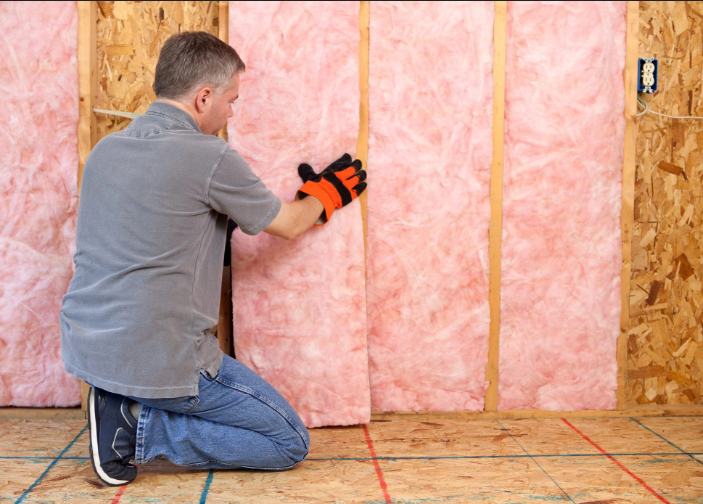
Usually, when constructing or renovating a house, insulation does not receive much consideration. However, the exact type of insulation selected can drastically impact one’s energy bills and the earth itself. Choosing sustainable insulation can reduce your carbon footprint while providing a cozy living environment in your home.
Defining Sustainable Insulation
Sustainable insulation refers to materials that are gentle on the environment because they are made from recycled materials, have low energy requirements for production, or can be reused or recycled at the end of their life cycle. Examples include cellulose insulation made from recycled paper, natural fibers like sheep’s wool, and plant-based foams. Such materials diminish the harmful environmental impacts of traditional insulation, which mostly relies upon petrochemicals and energy-intensive production.
Energy Efficiency and Reduced Emissions
Mainly mentioned as the advantage of sustainable insulation is its energy-efficient performance. Insulation keeps down the demand for heating and cooling of a house, and that is when it directly decreases energy consumption. The less energy a house consumes, the fewer greenhouse gases are emitted, thus contributing to the fight against climate change. Sustainable insulation materials are most often designed to perform at least equally as well, if not better, than their conventional counterparts, so comfort does not need to be sacrificed for environmental reasons.
Health Benefits and Breathability
Sustainable insulation not only benefits the planet, but it can also contribute to higher levels of indoor air quality. Most eco-friendly materials are void of harmful chemicals and toxins that are often present in standard insulation products, and, consequently, serve in the reduction of respiratory disorders and allergic attacks. Furthermore, natural materials such as wool or cotton can help control humidity, creating healthier and more comfortable conditions in which to live.
Long-Term Savings
Some types of sustainable insulation may be a little more expensive upfront, but, in the long run, they will pay for themselves. With energy bills down, because the home is more energy-efficient, durable materials maximize energy efficiency by minimizing replacement or repair costs. The environmental advantages coupled with economic dividends make sustainable insulation a worthwhile investment for the home building client.
Supporting the Cleaner Future
By choosing sustainable insulation, homeowners not only serve the purpose of saving Mother Earth. Every eco-living decision underpins the grand ordeal concerning resource economy, lowered carbon emissions, and ecologically sound manufacturing practices. Transitioning becomes a real opportunity to engage in the health and sustainability of the generations to come.
This post was written by a professional at Eco Elite Insulation. At Eco Elite Insulation, we specialize in attic insulation removal, replacement, and upgrades that keep your home energy efficient and comfortable year-round. Contaminated or outdated insulation from pests or poor sealing can increase energy bills and harm air quality. Our experts use safe, non-toxic insulation to improve comfort, reduce heating and cooling costs, and create healthier living spaces. Serving McKinney, Plano, Frisco, Dallas, Fort Worth, and surrounding areas, we focus on attic renovations that protect your home and lower electricity bills.