

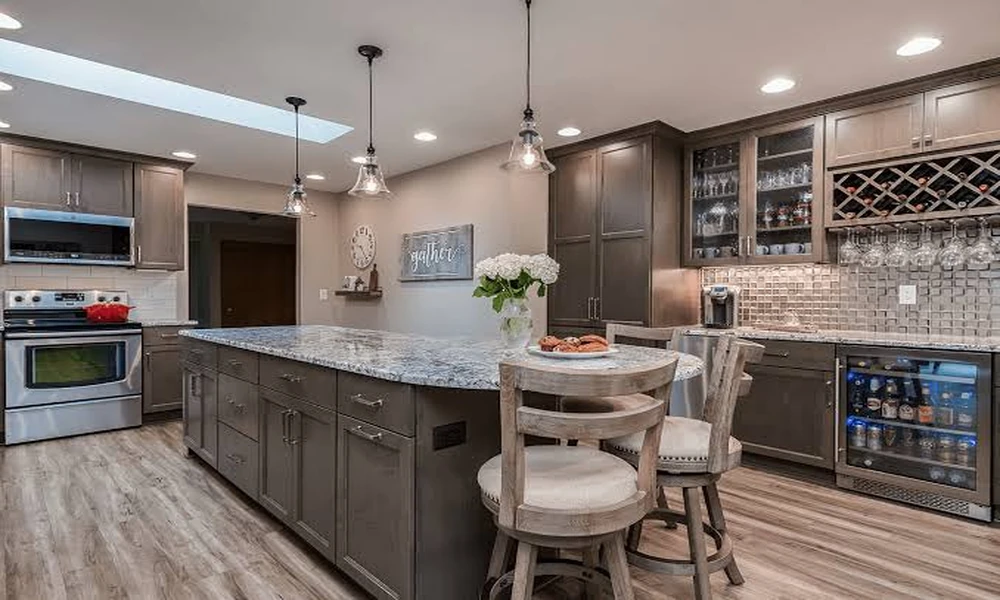
Every successful renovation has two stories.
The first is the one homeowners imagine-a brighter kitchen, a more functional bathroom, or a home that finally reflects the way they live today.
The second story happens behind the walls. It involves planning, sequencing, structural decisions, budgets, craftsmanship, and hundreds of small choices that ultimately determine whether a project succeeds or becomes an expensive lesson.
To better understand what separates exceptional renovations from ordinary ones, we spoke with an experienced remodeling professional about home remodeling, selecting the right home renovation contractor, and the misconceptions that often lead homeowners in the wrong direction.
“The best remodeling decisions are usually invisible. You notice them every day, but you rarely see them.”
Q: Many homeowners think remodeling starts with design. Does it?
A:
Not really.
Design is important, but it isn’t the starting point.
The first step is understanding how people actually live inside their home.
I usually ask clients questions that have nothing to do with materials.
Where do family members naturally gather?
What part of the day feels frustrating?
Which room no longer supports your lifestyle?
When homeowners answer those questions honestly, the design begins to reveal itself.
A renovation should solve problems before it creates beauty.
Beauty follows function surprisingly well.
💡 Expert Tip
Spend one week paying attention to your daily routines before planning a remodel. You’ll discover more useful information than you will from hours of browsing inspiration photos.
Q: What is the biggest mistake homeowners make before construction begins?
A:
They start shopping before they start planning.
It’s understandable.
Looking at flooring samples or cabinet finishes is exciting.
Thinking about plumbing locations or electrical capacity isn’t.
But the technical decisions determine whether the beautiful materials will actually work.
I’ve seen homeowners purchase expensive appliances before confirming measurements.
I’ve seen custom cabinetry redesigned because outlet locations were overlooked.
Those problems are completely avoidable with better planning.
A successful project spends more time on preparation than most people expect.
“Construction rewards preparation. It rarely rewards improvisation.”
Q: How should someone choose a home renovation contractor?
A:
Most people compare estimates.
Experienced homeowners compare communication.
A proposal tells you much more than a final price.
Does the contractor explain the process clearly?
Do they identify possible risks?
Do they discuss scheduling realistically?
Can they explain why one solution is better than another?
Anyone can promise a beautiful finished project.
The better professionals explain how they’ll achieve it.
Another sign is curiosity.
A contractor who asks thoughtful questions usually prevents thoughtful problems later.
💡 Expert Tip
Ask every contractor what challenges they expect in your project. The quality of their answer often reveals more than their portfolio.
Q: Where should homeowners invest the largest part of their budget?
A:
On the things that are difficult to replace.
Flooring.
Windows.
Electrical systems.
Plumbing.
Cabinet construction.
These are permanent decisions.
Paint colors can change.
Decorative lighting can change.
Furniture changes naturally over time.
Hidden infrastructure usually doesn’t.
If you spend wisely on permanent improvements, your home becomes easier and less expensive to maintain for years.
Q: Are remodeling trends worth following?
A:
Some are.
Many aren’t.
The challenge is understanding the difference between a genuine improvement and a temporary fashion.
For example, better storage solutions aren’t a trend.
Improved lighting isn’t a trend.
Energy-efficient windows aren’t a trend.
Those improvements continue providing value regardless of changing design preferences.
Color palettes and decorative styles, however, evolve constantly.
I encourage homeowners to make permanent elements timeless and express personality through things that are easy to update later.
“Timeless homes rarely feel outdated because they were never trying to be fashionable.”
Q: What role does research play before starting a project?
A:
A significant one.
Today’s homeowners have access to more information than ever before.
That’s a tremendous advantage-provided they’re learning from reliable sources.
Many clients begin by reading a Home Renovation Blog to understand remodeling terminology, planning strategies, and material comparisons before meeting with professionals. That early research often leads to better conversations because homeowners already understand the fundamentals and can ask more informed questions.
Research shouldn’t replace professional advice.
It should prepare you to make better decisions.
💡 Expert Tip
Learn enough to ask smarter questions-not enough to convince yourself you no longer need expert guidance.
Q: What separates a good remodel from a great one?
A:
Attention to invisible details.
Anyone notices beautiful countertops.
Fewer people notice how easily two people move through a kitchen.
Everyone appreciates quiet cabinet hardware, better lighting, organized storage, and rooms that simply feel comfortable.
Those experiences don’t happen by accident.
They’re designed.
The projects I remember most aren’t necessarily the largest or the most expensive.
They’re the ones where homeowners tell me six months later,
“Everything just feels easier now.”
That’s probably the highest compliment any remodel can receive.
Final Thoughts
Listening to experienced professionals reveals an important truth: successful remodeling isn’t defined by luxury materials or dramatic transformations alone. It is defined by thoughtful planning, realistic expectations, skilled craftsmanship, and decisions that continue improving everyday life long after construction is complete.
The most beautiful homes aren’t simply redesigned.
They are carefully understood first.