

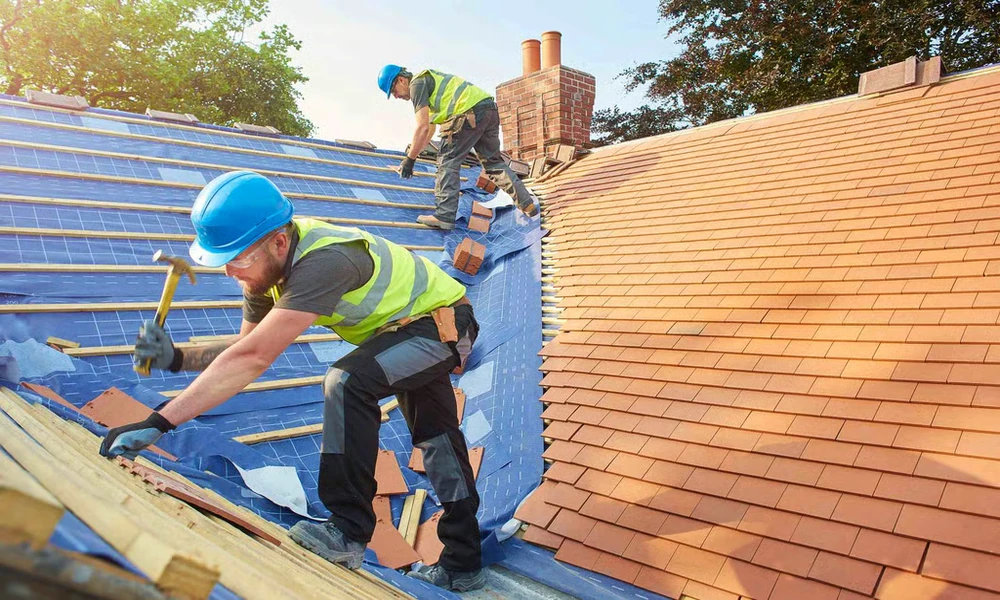
The doorbell rings two days after a storm moves through Ascension Parish. A man in a polo shirt points at your roof and says he spotted wind damage from the street, and he offers to take a look for free. Ten minutes later he’s back on the ground with phone photos and a clipboard, telling you the roof needs replacing and that your insurance will probably pay for it.
That scene plays out all over south Louisiana every storm season. A roof inspection that costs nothing can be one of the most useful things a homeowner gets all year. It can also be the first step of a sales pitch. What separates the two is how the inspection is done and what you’re left holding when it’s over.
For homeowners weighing a Prairieville free roof inspection, it makes sense to start with a company you contacted yourself rather than one that came knocking. SmithPro Roofing and Construction is one local option. Consultations can be booked online, the company works from Fabacher Drive in Prairieville under Louisiana license #568978, and it handles everything from repairs to full replacements and new roofs. For larger jobs, a financing partner is available.
Four Different People Might Climb Your Roof
Part of the confusion around free inspections is that several kinds of roof inspection exist, and each one serves a different purpose.
The roofing contractor. This is usually the no-cost visit. The contractor wants to find out whether you need work and, if you do, to earn the job. That isn’t a bad thing. It just means you should judge the inspection by how thorough it is, not by its price.
The insurance adjuster. An adjuster comes out after you file a claim. They work for the insurance company, and their job is to document the covered damage and price it. They are not there to judge the overall health of your roof.
The home inspector. In a home sale, the inspector looks at the roof as one item among hundreds. Many walk only the parts that are safe to reach or look from a ladder at the eaves, and their reports often recommend a “further evaluation by a licensed roofer.”
The FORTIFIED evaluator. Homeowners chasing an insurance discount or a state grant need a certified evaluator to check the work at set stages. Unlike the contractor’s visit, that evaluation comes with a fee, often a few hundred dollars.
Knowing which of these you’re getting keeps you from expecting a sales visit to do an adjuster’s job, or the other way around.
An Hour on the Ladder, Done Properly
A real inspection starts on the ground. A careful inspector walks around the house first, looking at the gutters, the downspout outlets and the yard. Shingle granules collect at the bottom of a downspout as the roof ages. Fresh nicks in metal vents and gutters can confirm hail. Pieces of shingle in the flower beds show where the wind got hold.
On the roof, the inspection should move from the edges inward. The eaves and rakes take the worst of the wind, so the inspector checks whether the shingles there are still sealed and whether drip edge is present. Then come the spots where water gets in most often. The rubber collars around plumbing vents crack in our sun long before the shingles wear out. Flashing at chimneys and along walls can pull loose. Valleys can collect debris and wear unevenly. Ridge caps on older roofs often split.
The attic is the part rushed inspectors skip, and it’s often where the truth is. Water stains on the decking, rusted nail tips, damp insulation and daylight showing through around penetrations all point to problems that can’t be seen from above. An inspector who never asks to see your attic has seen only half of your roof.
The Paper You Should Be Handed
A good no-cost inspection ends with something written, not just a talk in the driveway. Before the inspector leaves, ask for a report that includes the following.
- Photos of each problem, with notes on where it is on the roof, so you can match every picture to your own house.
- An estimate of the roof’s age and the type of shingle, which matters for both insurance questions and future planning.
- A clear recommendation of repair or replacement, along with the reasoning behind it.
- An itemized estimate that names the materials, including the underlayment, flashing and ventilation, not just a total price.
- The company’s license number and proof of insurance.
With that report in hand, you can get a second opinion, call your insurance agent, or put the decision off a year without losing track of what was found.
When Free Starts to Cost Something
Some warning signs come up again and again. A contractor who wants a signature before the inspection is finished is selling, not inspecting. So is one who presses you to sign a contingency agreement that ties you to them if your claim is approved, especially before you’ve even talked with your insurer. A roofer who isn’t a licensed public adjuster shouldn’t be negotiating your claim for you.
Be skeptical of damage that shows up only in the inspector’s photos and that you can’t see from a ladder yourself. Unfortunately, some storm chasers have been caught creating “hail hits” with tools. Out of state license plates, no local address, and a business name you can’t find anywhere online are all reasons to slow down.
The simplest protection takes two minutes. The state contractor board keeps a public license search where you can check a company’s name or license number and confirm that it is registered and current before anyone climbs onto your house.
Times When an Inspection Is Worth Asking For
The obvious time is after a named storm or a hailstorm, even if nothing is dripping. Wind damage often shows up as leaks months later, and insurance policies set deadlines for reporting a claim.
Other good times are less obvious. Spring, before hurricane season, lets you fix small problems while crews have openings. A renewal notice asking about your roof’s age suggests the insurer is paying attention, and a written condition report can help with that conversation. Buyers and sellers both benefit from an inspection by a roofer in addition to the home inspector’s general look. Any roof past its tenth summer in this heat deserves a look every year or two, the same way you would service an air conditioner that runs nine months a year.
A free inspection is a good deal when it gives you clear information you can act on. If someone climbs the roof, opens the attic, documents everything and hands you a report you could take to any other contractor, the visit was worth more than its price. If you only get pressure and a signature line, you can say no and call someone else.